The hare and the tortoise of crypto
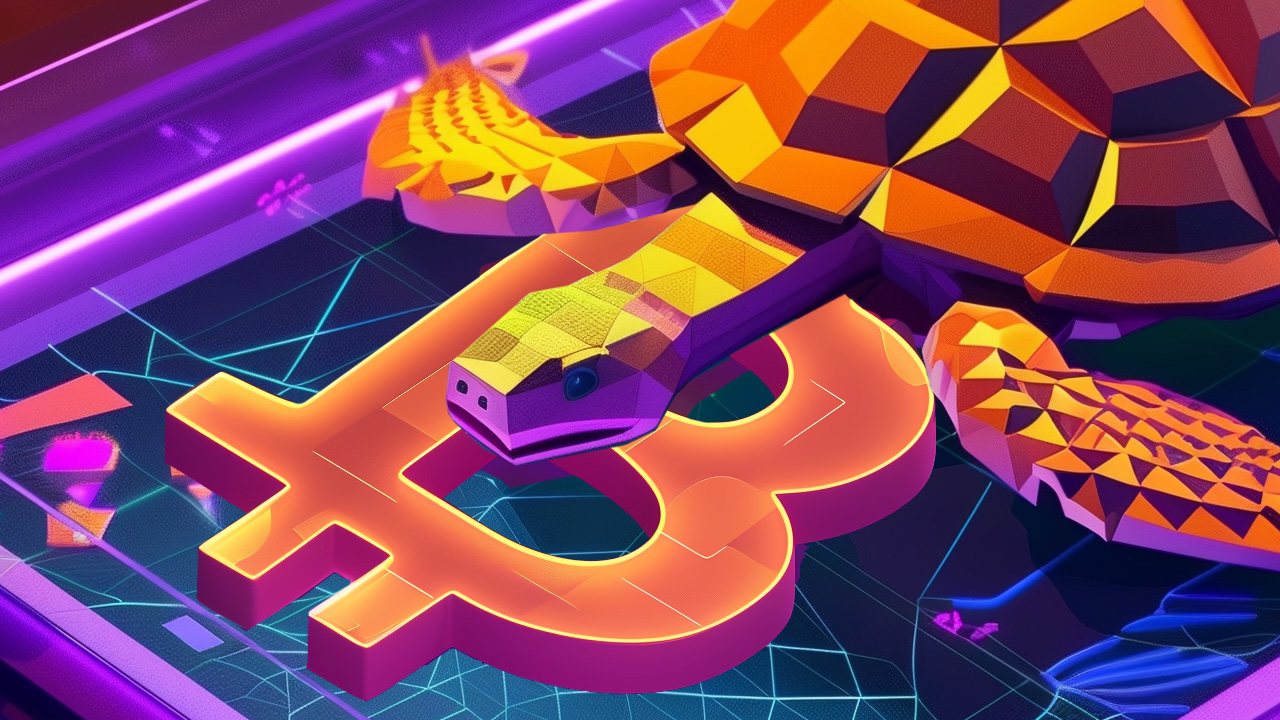
The well known tale tells us about opposing mindsets. The hare who is narcissistic, showy and arrogant and the tortoise who is consistent, steadfast and humble.
The dichotomy between these two and the way the race plays out is analogous to Bitcoin and altcoins. In terms of their design and intended use cases, the narratives that form around them, and the people they tend to attract.
Crypto enthusiast might see bitcoin as being slow and in some ways boring, as it is designed to be decentralised and secure above all else. Bitcoin is very much the tortoise.
Altcoins on the other hand, are very different in nature. They are funded by venture capital to become marketable tech products. They strive to have the fastest, most performant blockchains. Their websites bear the typical slogans — unmatched transaction speeds and throughput. Hundreds, no thousands of times faster than visa. And carbon emissions less than an ants fart!
The fact that most of the invested money in altcoin projects go into their marketing budgets, so they can sell themselves on these characteristics — makes them analogous to the hare in the tale, who boasts to the other animals in the forest about how fast he is and that no other animal can beat him in a race.
How do you ever get anywhere?
The hare (Mocking the tortoise for being slow)
There are many strands we can pull at when we think about how Bitcoin and altcoins inhabit these hare and tortoise archetypes. Diving into them all could fill a book. We can skip to exploringwhyaltcoins are the hare and Bitcoin is the tortoise.
In short, altcoin projects have to show themselves and survive in a saturated market. They need the marketing, branding and general vigour to attract venture capital and retail investors to buy their tokens, aswell as adhere to the heavy handed regulation of jurisdictions that have become wary of crypto. They might also need to bend to meet cultural or idealogical favour. All things that require rapid changes to their underlying software. These products have the agility to transform themselves as the environment dictates, and become responsive to new trends and emerging use-cases. But as a consequence remain in a constant state of flux.
Bitcoin, on the other hand, was created at a time when no market pressures existed because there was no market. There were no competitors, no financial backers, no staff on payrolls. Just hobbyists with a shared passion for cryptography, working on open-source code.
With the disappearance of Satoshi, the vulnerability of a known founder being coerced by outside forces to make protocol changes, disappeared. Leaving the politically and geographically agnostic nodes as the only authorities on the network. Consensus between these unconnected entities, who share only an incentive to keep the rules of the network as they are — being the only possible way Bitcoin can change in a meaningful way.
As it goes, the tortoise does beat the hare in the race. Because the hare, through his arrogance decides to take a nap and the tortoise gains too much of an advantage while he’s sleeping. In the race between Bitcoin and altcoins, you could judge that Bitcoin has already crossed the line. The aforementioned state of flux which most altcoins unwittingly find themselves in, does not in any way inspire the confidence required for a monetary protocol, but it’s beyond doubt the largely ossified, tortoise-like Bitcoin protocol, does. And in turn satisfies the original goal of cryptocurrency as a whole. To disrupt the global banking monopoly and become a truly peer to peer form of money. Decentralised, secure, immutable and world-changing.

Next truthbomb
Time to call curtains on HODLing? Read about Time to call curtains on HODLing?
When you HODL, you move your stack to cold-storage and you don't think about selling. Might this strategy be damaging to bitcoin adoption?